For businesses serving users across the Asia-Pacific region, server location directly affects website speed, application responsiveness, and overall user experience. Among the major hosting destinations in Asia, Japan has established itself as one of the most important infrastructure hubs due to its advanced network connectivity, reliable data center ecosystem, and strategic position between East Asia and North America.
Whether you operate a SaaS platform, online gaming service, streaming application, financial platform, or enterprise workload, a Japan dedicated server can provide the performance and network reliability required to support growing traffic across the region.
Why Businesses Choose Japan Dedicated Servers
Strategic Location Within Asia-Pacific
Japan is located near several of Asia's largest digital markets, including South Korea, Taiwan, Hong Kong, Singapore, and mainland China. This positioning allows businesses to deliver lower latency connections to users throughout East Asia compared to many alternative hosting locations.
For applications that depend on real-time communication, such as online gaming, VoIP services, video conferencing, and financial platforms, reducing network distance can significantly improve user experience.
Strong International Network Connectivity
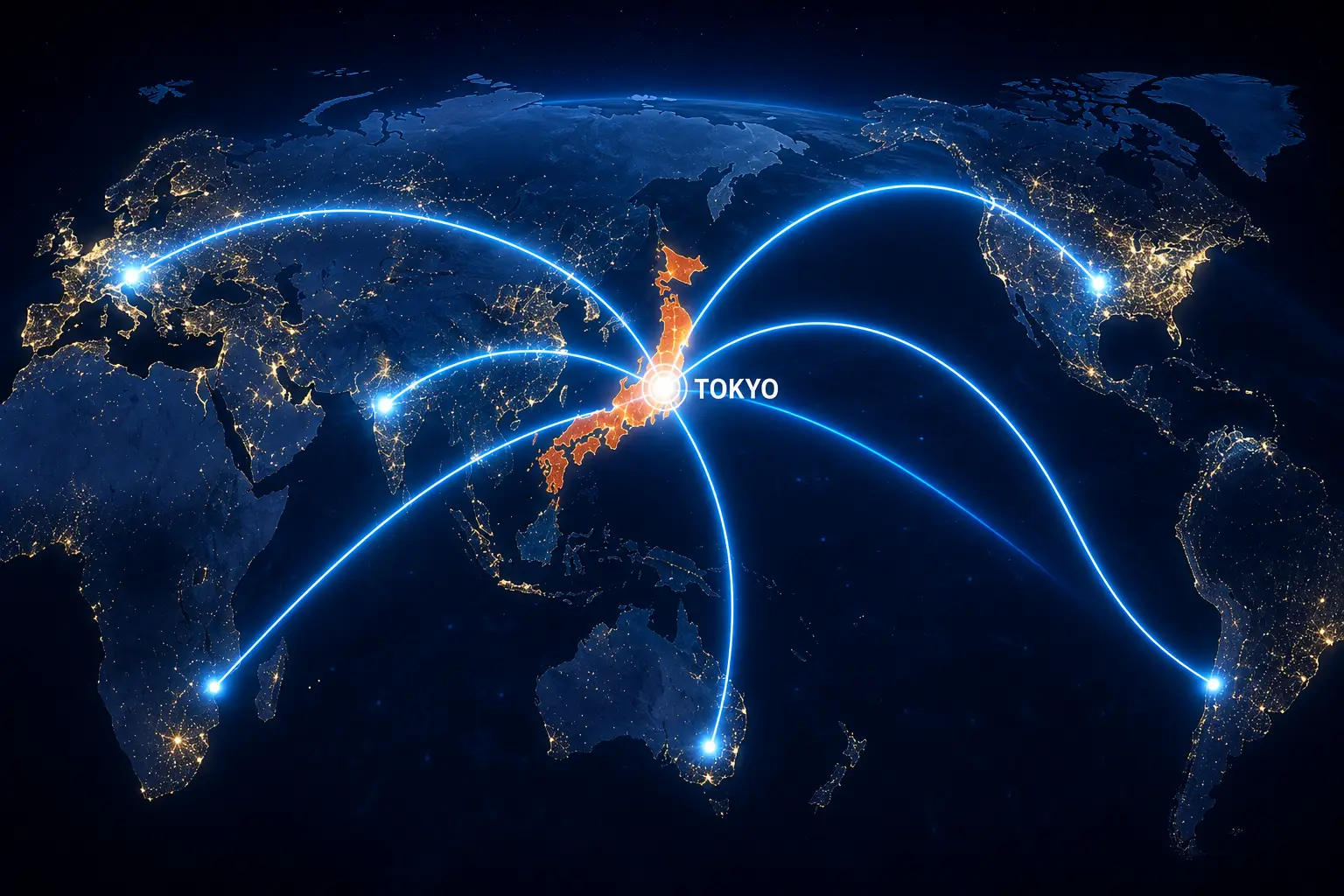
Japan is connected to multiple international submarine cable systems that link Asia with North America and other global regions. These cable networks help support fast international routing and high-capacity data transmission.
As a result, businesses hosting in Tokyo can often achieve efficient connectivity to both Asian and North American users without relying on multiple infrastructure locations.
Reliable Data Center Infrastructure
Japan is home to numerous enterprise-grade data centers designed with redundant power systems, backup generators, advanced cooling technologies, and multiple network connections.
Many facilities are engineered to maintain service continuity even during infrastructure disruptions, making Japan a popular location for mission-critical workloads that require high availability.
Dedicated Resources and Consistent Performance
Unlike shared hosting environments, a dedicated server provides exclusive access to CPU resources, memory, storage, and network capacity.
Organizations that process large databases, run high-traffic websites, host business applications, or operate resource-intensive services often choose dedicated servers to avoid performance fluctuations caused by shared infrastructure.
Why Tokyo Is the Preferred Location for Dedicated Servers
While several Japanese cities offer modern hosting facilities, Tokyo remains the primary destination for enterprise infrastructure deployments.
One of Asia's Largest Internet Exchange Markets
Tokyo serves as a major internet connectivity hub where carriers, cloud providers, content networks, and enterprises interconnect. This concentration of network providers helps improve routing efficiency and offers greater flexibility when selecting bandwidth and transit providers.
Connectivity to Major APAC Markets
Tokyo-based servers can provide competitive latency to many important business markets across Asia.
Typical network latency may vary depending on carriers and routing paths, but businesses commonly see strong connectivity to destinations such as:
| Destination | Typical Latency Range |
|---|---|
| Seoul | 25–40 ms |
| Taipei | 30–50 ms |
| Hong Kong | 45–70 ms |
| Singapore | 65–90 ms |
| Los Angeles | 90–120 ms |
Actual performance depends on network providers, peering arrangements, and end-user connectivity.
Proximity to Global Cloud Infrastructure
Many organizations deploy dedicated servers alongside cloud environments to create hybrid infrastructure solutions. Tokyo hosts regional infrastructure from major cloud providers, making it easier for businesses to integrate dedicated servers with cloud-based services, storage, and application platforms.
Industries That Benefit from Japan Dedicated Servers
Online Gaming Platforms
Gaming companies require stable network performance and low latency to deliver smooth multiplayer experiences.
A Tokyo dedicated server can help reduce latency for players located throughout East Asia while providing dedicated hardware resources capable of supporting large player populations and game instances.
SaaS and Software Companies
Software providers serving customers across Asia often deploy infrastructure in Japan to improve application responsiveness and reduce loading times.
Dedicated servers also offer greater control over operating systems, security configurations, and resource allocation compared to many shared hosting environments.
Media Streaming Services
Video platforms, content distributors, and media companies frequently require high bandwidth capacity and reliable network performance.
Japan's strong connectivity and advanced infrastructure make it a suitable location for delivering video, audio, and digital content to audiences across the region.
Financial and Data-Intensive Applications
Organizations operating analytics platforms, trading applications, database systems, and enterprise workloads often benefit from dedicated hardware resources and predictable performance characteristics.
Dedicated servers eliminate resource sharing and provide greater consistency during peak traffic periods.
Dedicated Server vs Cloud Hosting in Japan
When evaluating infrastructure options, businesses often compare dedicated servers with cloud hosting solutions.
Dedicated Servers
Advantages:
- Dedicated CPU and RAM resources
- Predictable performance
- Full hardware control
- Suitable for resource-intensive applications
- Cost-effective for long-term workloads
Cloud Hosting
Advantages:
- Rapid deployment
- Easy scalability
- Flexible resource allocation
- Suitable for variable workloads
Organizations with consistent traffic and high-performance requirements often choose dedicated servers, while businesses with rapidly changing workloads may prefer cloud-based infrastructure.
Writing Key Factors to Consider When Choosing a Japan Dedicated Server
Before selecting a provider, businesses should evaluate:
- Data center location within Japan
- Network carriers and upstream connectivity
- Available bandwidth options
- DDoS protection capabilities
- Hardware configurations
- RAID storage options
- Remote management access
- Technical support availability
- Service level agreements (SLAs)
These factors can significantly impact overall performance, reliability, and operational efficiency.
Conclusion
Japan continues to be one of the most important hosting locations in the Asia-Pacific region, offering strong international connectivity, reliable data center infrastructure, and access to major digital markets throughout Asia.
For organizations seeking low-latency performance, dedicated resources, and enterprise-grade reliability, a Tokyo dedicated server remains a practical choice for supporting business growth across APAC. Whether you operate a gaming platform, SaaS application, streaming service, or enterprise workload, deploying infrastructure in Japan can help improve user experience while providing the stability required for long-term expansion.
Businesses evaluating infrastructure options can also compare available hardware configurations, bandwidth options, and network connectivity through Servers99 Dedicated Server solutions to better understand which deployment model aligns with their operational requirements.